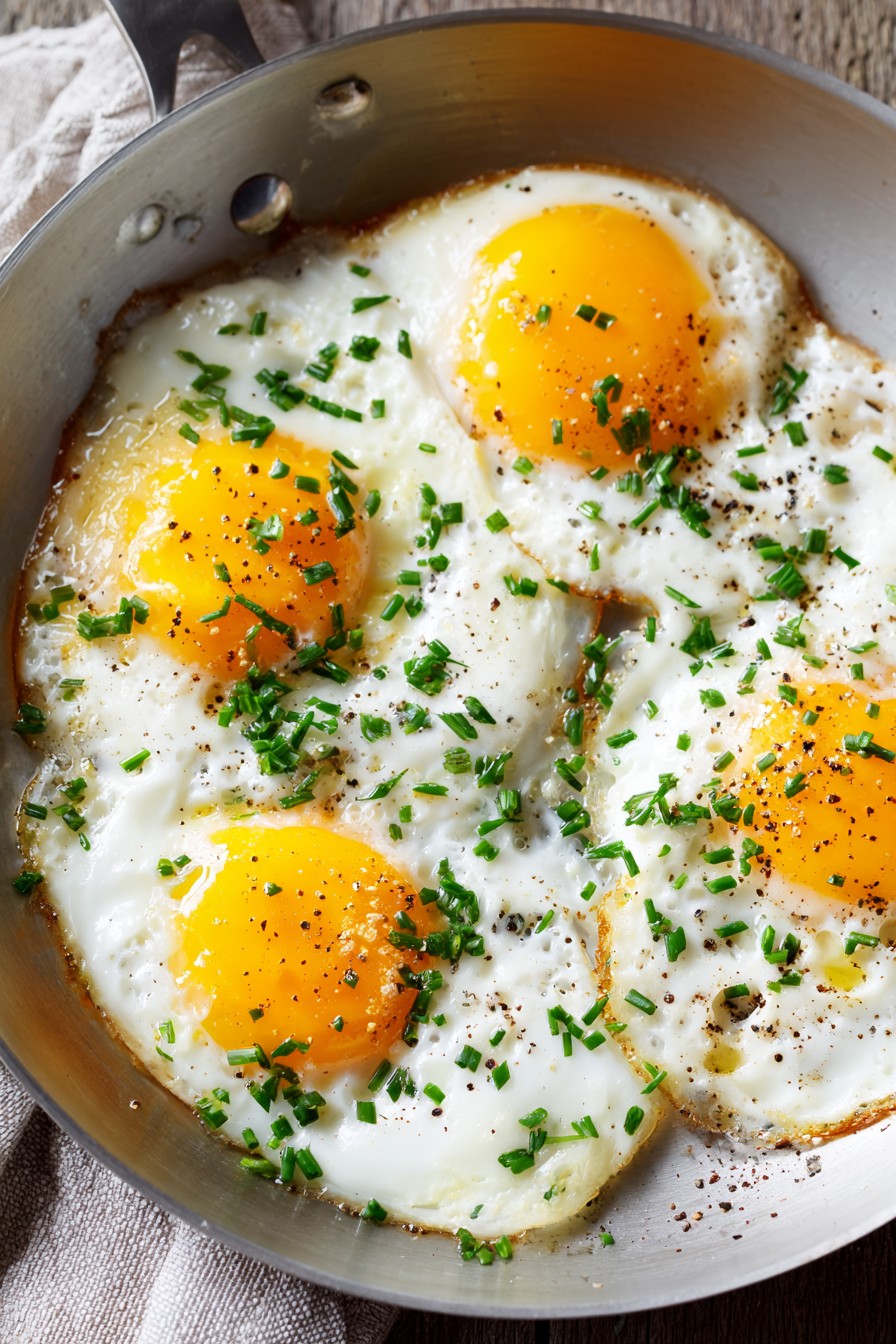
Over Medium Eggs: Global Secrets for a Perfect Texture Symphony
Across continents and cultures, the simple egg holds a revered place in culinary traditions. From the intricate layers of Japanese tamagoyaki to the precise presentation of French oeufs sur le plat, eggs offer a canvas for culinary artistry. Yet, for many, the ultimate expression of egg perfection lies in the delicate balance of
over medium eggs. This beloved preparation achieves a textural symphony where the whites are fully set and cooked through, while the yolk remains gloriously molten and slightly runny – a golden elixir perfect for dipping. It's a sweet spot between a completely runny "over easy" and a fully cooked "over hard," offering the best of both worlds.
The allure of
over medium eggs isn't just their incredible taste and versatility; it's the mastery required to achieve that consistent, cafe-quality result every single time. This guide will unravel the global secrets and precise techniques needed to consistently deliver this breakfast triumph, turning a simple egg into a truly unforgettable experience.
The Art of the Over Medium Egg: A Global Culinary Journey
The pursuit of the perfect
over medium egg is a journey that transcends geographical borders. Much like the careful temperature management found in Chinese tea egg preparation or the meticulous folding of a Spanish tortilla, the creation of an over medium egg demands attention to detail and a keen understanding of heat and timing. What makes it so universally appealing? It’s the delightful contrast: the firm, yet tender whites provide a satisfying structure, while the warm, flowing yolk delivers a rich, creamy indulgence. This duality makes it an ideal companion for everything from crusty toast to vibrant avocado and hearty breakfast meats.
The challenge, and indeed the charm, of crafting flawless
over medium eggs lies in navigating that precise midpoint. Too little heat or time, and the whites might remain unpleasantly translucent. Too much, and that precious runny yolk becomes firm, losing its signature appeal. The magic happens when the egg is cooked just enough to set the whites completely, top and bottom, while leaving the center of the yolk in that coveted, barely liquid state. It's a balance of science and sensation, ensuring every bite is a harmonious blend of textures and flavors.
Mastering the Mise en Place: Precision for Perfection
Before a single egg touches the pan, the foundation for culinary success is laid through meticulous preparation, or "mise en place." This French bistro technique ensures all ingredients and tools are within arm’s reach, preventing last-minute scrambles and allowing you to focus entirely on the cooking process. For
over medium eggs, precision here is paramount.
Here’s what you’ll need and why:
*
Non-Stick Skillet: An 8-inch non-stick skillet is ideal for one or two eggs, providing ample surface area without crowding. Its non-stick surface is crucial for easy flipping and preventing sticking, which can quickly ruin the delicate egg.
*
European-Style Butter: Opt for high-quality European-style butter. Its higher fat content and lower water content compared to American butter result in a richer, nuttier flavor and a more beautiful golden crust, reminiscent of Austrian kaiserschmarrn. This fat content also helps prevent sticking and promotes even cooking.
*
Fresh Eggs: The fresher the egg, the better. Fresh eggs have a firmer white and a rounder, higher yolk, which are essential for achieving the distinct layers of an
over medium egg.
*
Individual Small Bowls: Borrow a trick from Japanese tamago masters: crack each egg into its own small bowl before adding it to the pan. This technique serves multiple purposes:
* It prevents broken yolks, which can compromise the final presentation and texture.
* It allows you to inspect each egg for freshness or any shell fragments before it contaminates the others.
* It enables a gentle, controlled pour into the hot pan.
*
Fine Sea Salt & Freshly Cracked Black Pepper: Have these measured and ready. Seasoning at the right moment elevates the flavor.
*
Freshly Chopped Chives: A sprinkle of fresh herbs, like chives, adds a subtle onion essence similar to Mexican huevos rancheros garnishes, brightening the dish and adding a touch of elegance.
*
Flexible Silicone Spatula: This tool is non-negotiable. Its gentle, thin edge is crucial for easily separating the egg from the pan and executing a delicate flip without tearing the whites or breaking the yolk.
The Foundation: Pan & Heat Management
The most common culprit behind rubbery whites or unevenly cooked yolks is improper heat management. For perfect
over medium eggs, we aim for gentle, consistent heat.
1.
Gradual Warming: Place your non-stick skillet over medium-low heat. Allow it to gradually warm for exactly two minutes. This gradual heating prevents hot spots that can scorch the butter and cook the eggs unevenly, much like the careful temperature management in Chinese tea egg preparation. A consistent temperature across the pan surface ensures uniform cooking.
2.
Add the Butter: Add a tablespoon of European-style butter to the warmed pan. Watch as it melts slowly, swirling the pan to coat the entire surface evenly. The butter should foam gently and develop tiny bubbles around the edges, releasing that distinctive nutty aroma characteristic of properly heated dairy fat.
3.
Perfect Priming: The pan is perfectly primed when the butter reaches this frothy stage but *before* it begins to brown significantly (approximately 45-60 seconds after melting). This precise temperature control ensures your eggs cook evenly without the aggressive sizzle that can create rubbery textures, maintaining the delicate balance crucial for
over medium eggs perfection.
The Cook & The Flip: Achieving the Ideal Over Medium Yolk
This is where the magic truly happens, transforming raw ingredients into that coveted texture symphony.
1.
Gentle Pour & Initial Cook: Carefully pour your pre-cracked eggs into the center of the buttered skillet. Listen for that gentle sizzle—it should sound like distant rainfall rather than fierce crackling, indicating the ideal cooking temperature. Immediately cover the skillet with a lid. This ingenious technique, inspired by Turkish menemen preparation, creates a miniature steam environment that cooks the egg whites from both top and bottom simultaneously. This ensures the top surface of the white sets without needing excessive heat from below, which can overcook the bottom.
2.
First Side Timing: Cook undisturbed for exactly 2 minutes and 30 seconds. During this time, the egg whites will transform from translucent to fully opaque white. You'll observe the edges becoming lightly golden and slightly crispy, similar to the texture achieved in Greek strapatsada, while the surface whites develop a delicate film that indicates proper setting. Crucially, the yolks will remain gloriously liquid beneath their protective membrane, gently warming.
3.
The Crucial Flip: This is the defining moment for
over medium eggs. When the whites are completely set but the yolk is still clearly liquid (after the 2m30s mark), it's time to flip. Gently slide your flexible silicone spatula under each egg, ensuring you get under the entire white. With a swift, confident motion, flip the egg over. The key is to be decisive yet gentle to prevent the yolk from breaking. If you’re nervous, a slightly larger spatula can provide more support.
4.
Second Side & Yolk Perfection: Immediately after flipping, cook for an additional 30 to 45 seconds. This short duration is critical for achieving the "medium" yolk. The residual heat from the pan and the brief direct contact with the hot surface will warm and partially set the outer layer of the yolk, leaving the very center beautifully runny. For a slightly firmer (but still runny) yolk, cook for 45-60 seconds. For a yolk that’s mostly firm with just a hint of liquid, extend to 60-75 seconds. Resist the urge to press down on the eggs, as this can break the yolk and force out its delicious contents.
5.
Remove and Season: Once the desired yolk consistency is achieved, carefully slide the
over medium eggs onto your plate. Season immediately with your fine sea salt, freshly cracked black pepper, and a sprinkle of fresh chives.
Tips for Over Medium Egg Success & Serving Suggestions
Achieving consistently perfect
over medium eggs is a skill that improves with practice. Here are some additional tips and serving ideas to elevate your egg game:
*
Don't Crowd the Pan: If cooking for a crowd, cook eggs in batches. Crowding the pan lowers the temperature and can lead to uneven cooking and sticking.
*
Experiment with Heat: While medium-low is generally recommended, stove tops vary. Pay attention to how your pan reacts and adjust slightly if needed. The goal is gentle, consistent heat.
*
Freshness Matters: As mentioned, fresh eggs yield the best results. They hold their shape better, making the flip easier and the final presentation more appealing.
*
Butter is Your Friend: Don't skimp on the butter. It adds incredible flavor, helps prevent sticking, and contributes to that desired golden-crisp edge. You can also use a high-quality oil like avocado or grapeseed, but butter offers unmatched flavor.
*
Toast Dipping: The ultimate purpose of that perfectly runny
over medium eggs yolk is often for dipping. Serve with thick-cut sourdough, rustic rye, or even a classic white toast.
*
Global Pairings:
*
American Classic: Alongside bacon, sausage, hash browns, and a stack of pancakes.
*
Mediterranean Twist: With crusty bread, olives, feta cheese, and a fresh tomato and cucumber salad.
*
Mexican Inspired: On top of a corn tortilla with black beans, avocado, and a dash of hot sauce or salsa.
*
Asian Influence: Alongside steamed rice, kimchi, and a drizzle of soy sauce or sriracha.
*
Elevate with Toppings: Beyond chives, consider a sprinkle of smoked paprika, a dash of hot sauce, a grating of Parmesan cheese, or even a dollop of pesto for an extra flavor kick.
For a deeper dive into making cafe-quality eggs at home, explore
How to Cook Perfect Over Medium Eggs: Cafe Quality at Home. And to truly understand the science behind that perfect texture, don't miss
Mastering Over Medium Eggs: The Balance of Set Whites & Runny Yolks.
The journey to consistently perfect
over medium eggs is a rewarding one, unlocking a breakfast experience that is both simple and profoundly satisfying. By embracing precise techniques, understanding the role of heat, and respecting the delicate nature of the egg, you too can master this global culinary secret and enjoy a texture symphony on your plate, every time.