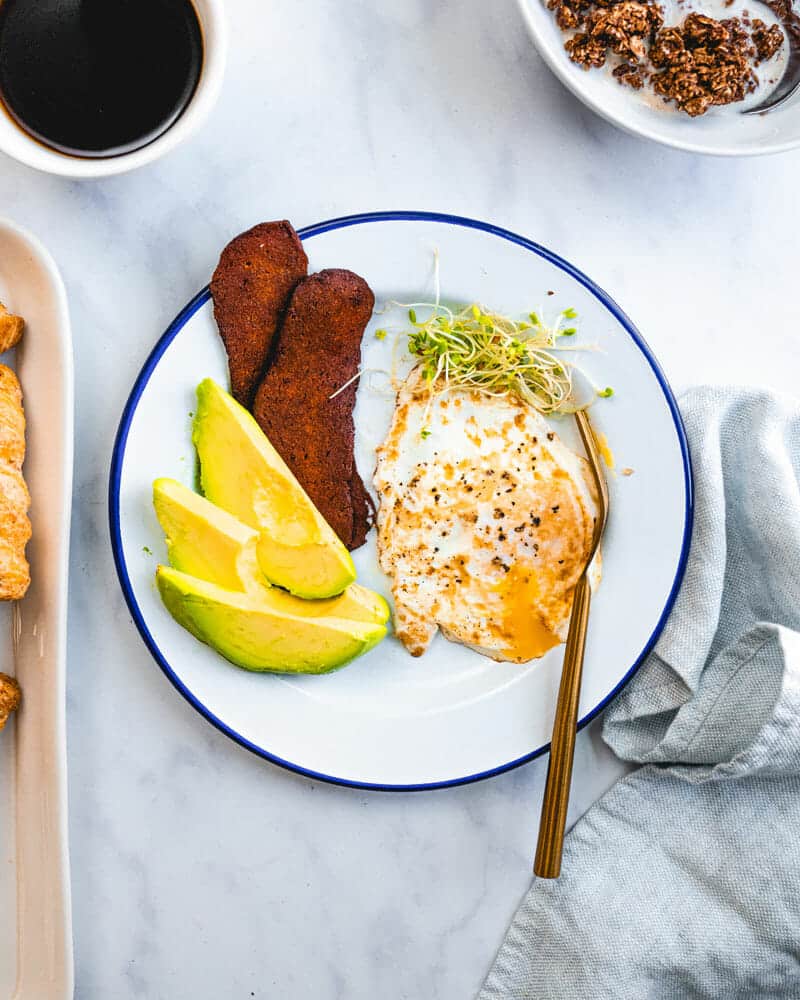
How to Cook Perfect Over Medium Eggs: Cafe Quality at Home
There's a particular kind of breakfast magic that happens when you cut into a perfectly cooked egg. The whites are fully set and tender, the yolk is warm and gloriously liquid, ready to meld with crispy toast or mingle with savory bacon. This culinary sweet spot, revered by breakfast aficionados worldwide, is the *over medium egg*. It's the egg you dream of finding at your favorite cafe – that ideal balance that truly elevates a morning meal. While it might seem like a skill reserved for professional chefs, achieving cafe-quality
over medium eggs at home is entirely within your reach. With a precise approach, a dash of patience, and the right techniques, you can master this beloved breakfast staple and bring that gourmet experience right to your kitchen table.
The Quest for Perfect Over Medium Eggs: What Makes Them Special?
So, what exactly defines an
over medium egg, and why is it such a fan favorite? Simply put, it's a fried egg that has been cooked on both sides, resulting in fully coagulated, opaque whites and a yolk that is partially cooked, warm, and delightfully runny in the center. Unlike an over easy egg with a very liquid yolk, or an over hard egg with a completely solid yolk, the over medium finds that beautiful equilibrium. This delicate balance creates a textural symphony that is incredibly satisfying – the firm yet tender whites provide structure, while the rich, velvety yolk offers a luxurious dipping sauce for everything from artisan bread to crispy hash browns. This harmony is what elevates it from a mere ingredient to a dish in its own right, a testament to the fact that perfection often lies in achieving the right balance. For more on these international inspirations and the pursuit of this ideal texture, you might enjoy
Over Medium Eggs: Global Secrets for a Perfect Texture Symphony.
Mastering Your Mise en Place: The Foundation of Culinary Success
Before you even think about cracking an egg, the first step to cooking flawless
over medium eggs is to prepare your *mise en place*. This French culinary term, meaning "everything in its place," is crucial for seamless cooking, ensuring all ingredients and tools are within arm's reach. This isn't just about efficiency; it's about minimizing distractions and maximizing precision when timing is critical.
Here’s what you’ll need to gather:
*
Fresh Eggs: Ideally, large eggs. Crack each egg into a separate small bowl or ramekin. This simple yet effective technique, borrowed from Japanese *tamago* masters, serves multiple purposes: it allows you to inspect each egg for freshness (no unexpected shell pieces or blood spots), prevents a broken yolk from ruining your entire batch, and makes for a controlled pour.
*
High-Quality Butter: A tablespoon of European-style butter is highly recommended. Its higher fat content and lower water content contribute to a superior browning and a richer flavor profile, giving your eggs that subtle, desirable golden crust.
*
Fine Sea Salt and Freshly Cracked Black Pepper: Measured and ready for seasoning. These are non-negotiable for enhancing flavor.
*
Fresh Chives (Optional but Recommended): Finely chopped. These add a delicate onion essence and a vibrant touch, akin to the fresh garnishes found in Mexican *huevos rancheros*.
*
8-inch Non-Stick Skillet: The size is important for cooking one or two eggs comfortably without overcrowding. A good non-stick surface is essential for easy flipping and preventing sticking.
*
Flexible Silicone Spatula: Its gentle touch is invaluable for carefully separating the egg from the pan and executing a delicate flip without breaking the yolk or disturbing the whites.
*
A Lid: For the skillet. This will be critical for creating a steaming environment.
The Art of Temperature Control: Heating Your Skillet to Perfection
Perhaps the most critical, yet often overlooked, step in achieving perfect
over medium eggs is precise temperature control. Place your 8-inch non-stick skillet over
medium-low heat. Resist the urge to crank up the heat; a gradual warm-up for approximately two minutes is essential. This allows the pan to heat evenly, preventing hot spots that can lead to unevenly cooked whites or scorched edges, much like the careful temperature management in traditional Chinese tea egg preparation.
Once your skillet is gently warmed, add your tablespoon of European-style butter. Watch as it slowly melts, swirling the pan to ensure the entire surface is evenly coated. The butter should foam gently and develop tiny bubbles around the edges, releasing a wonderfully nutty aroma. This stage, just before it begins to brown significantly (typically 45-60 seconds after melting), indicates your pan is perfectly primed. This careful temperature management ensures your eggs cook gently and evenly, without the aggressive sizzle that can create rubbery textures, preserving the delicate balance crucial for over medium perfection.
The Gentle Sizzle and the Steaming Secret: Cooking Your Eggs
Now for the main event. Carefully pour your pre-cracked eggs into the center of the buttered skillet. Listen for that gentle sizzle – it should sound like distant rainfall, a soft, consistent hum, rather than an aggressive crackle. This gentle sound confirms the ideal cooking temperature.
Immediately after adding the eggs, cover the skillet with a lid. This crucial step creates a miniature steam environment, cooking the egg whites from both the top and bottom simultaneously. This technique, similar to Turkish *menemen* preparation, helps to set the whites evenly and efficiently, ensuring they are fully opaque without overcooking the delicate yolks. Cook undisturbed for exactly
2 minutes and 30 seconds. During this time, you'll observe the whites transforming from translucent to a beautiful, opaque white. The edges may become lightly golden and slightly crispy, while the surface whites develop a delicate film, indicating proper setting. Achieving this precise dual texture—fully set whites cradling a gloriously liquid yolk—is truly what defines perfection. It's a delicate dance between heat and timing, and an art worth
Mastering Over Medium Eggs: The Balance of Set Whites & Runny Yolks.
The Delicate Flip: Turning Your Eggs for Over Medium Perfection
After the initial covered cooking period, it’s time for the flip. Gently slide your flexible silicone spatula underneath the edge of the egg. Ensure it’s fully underneath the egg white, then with a swift, confident motion, flip the egg over. The goal is to land it cleanly, yolk-side down.
Once flipped, allow the egg to cook for an additional
30 to 45 seconds. This brief second side cook time is critical for achieving the "medium" consistency in the yolk. It allows the heat to gently penetrate the yolk, warming it through and slightly firming its outer layer, while leaving the center gloriously molten. Keep a close eye on it; you want to avoid overcooking the yolk into an over hard state. The whites should remain tender, and the yolk should offer just enough resistance to indicate its partial set.
Beyond the Basics: Expert Tips for Over Medium Excellence
Even with the perfect recipe, a few extra tips can elevate your
over medium eggs from great to truly unforgettable:
*
The Freshness Factor: Fresher eggs hold their shape better, with tighter whites and yolks less prone to spreading. To test for freshness, place an egg in a bowl of water: if it sinks and lies flat, it's very fresh. If it stands on its end but still touches the bottom, it's older but still good. If it floats, it's past its prime.
*
Seasoning Wisdom: Salt immediately after the eggs hit the pan to enhance flavor as they cook. Add pepper just before serving to preserve its pungent aroma.
*
Don't Rush the Pan: A truly cold pan will cause sticking, even if it's non-stick, and uneven heating. Give it time to come up to temperature gradually.
*
Consider Your Skillet: While an 8-inch non-stick is ideal for one to two eggs, if cooking more, use a larger skillet to avoid overcrowding, which can lower the pan's temperature and steam the eggs rather than fry them effectively.
*
Serving Suggestions: Beyond the classic toast, try your perfect
over medium eggs atop avocado toast, a bed of sautéed greens, or alongside a hearty bowl of grits. The runny yolk is also fantastic drizzled over roasted vegetables or even a slice of pizza!
*
Flavor Infusions: Experiment with a pinch of smoked paprika, a dash of hot sauce, or a sprinkle of grated Parmesan cheese right after flipping for an extra layer of flavor.
Mastering
over medium eggs truly transforms your breakfast routine. By understanding the interplay of temperature, timing, and technique, you're not just cooking; you're crafting a culinary experience. The satisfaction of slicing into an egg with those perfectly set whites and that rich, flowing yolk is unmatched. With a little practice, you’ll consistently achieve that coveted cafe-quality result right in your own kitchen, making every morning a little more gourmet.