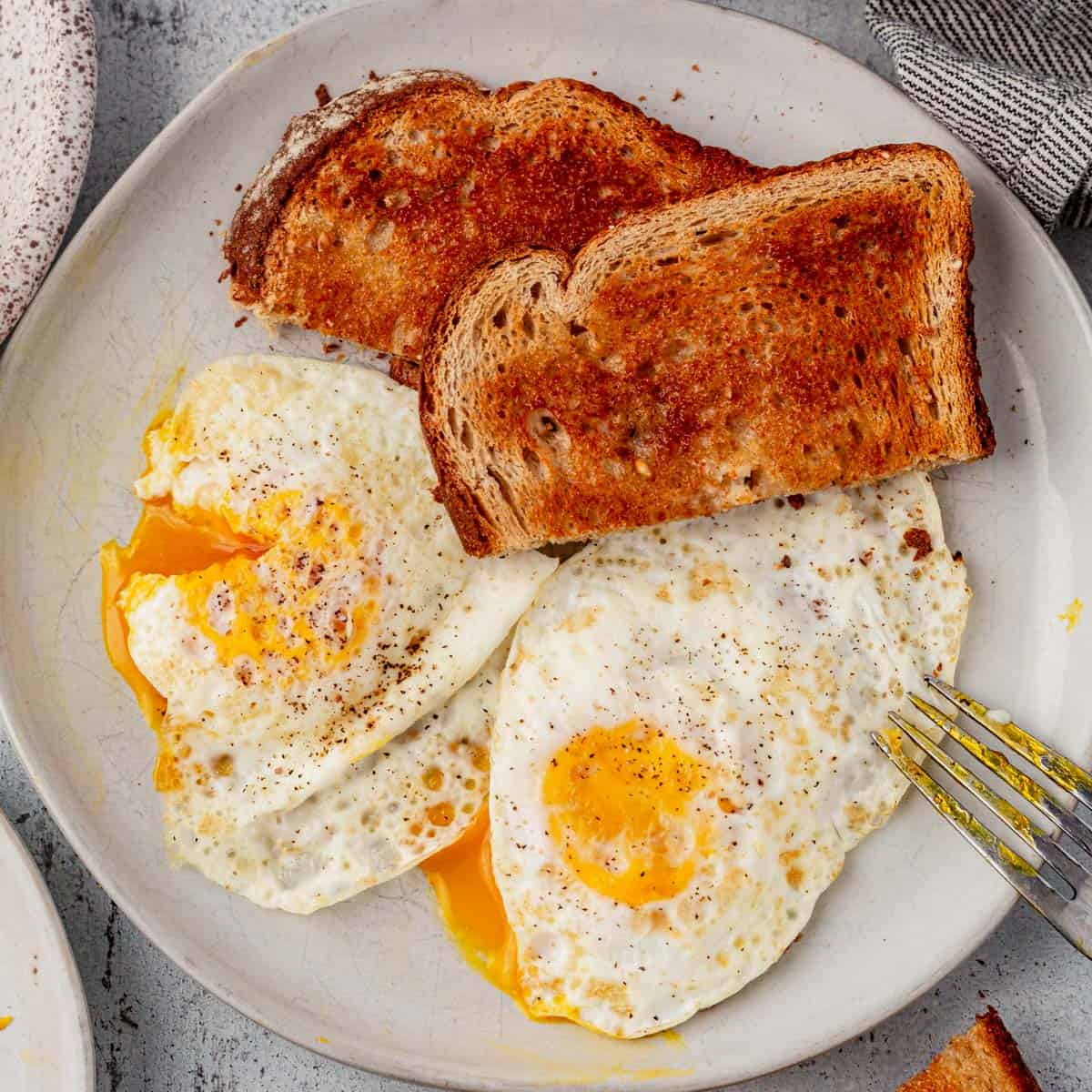
The quest for the perfect egg is a culinary journey many embark on, and for connoisseurs of breakfast, the over medium eggs represent a sublime destination. This beloved preparation strikes a delicate balance, offering fully set, yet tender, egg whites that cradle a yolk that is partially cooked but still gloriously runny in its core. It’s this captivating contrast of textures and flavors that elevates a simple breakfast staple into a masterpiece, capable of transforming a weekday morning or a leisurely weekend brunch.
Across continents and cultures, the pursuit of culinary balance is a timeless art. From the meticulous layers of Japanese tamagoyaki to the precise timing of French oeufs sur le plat, the world shares a common appreciation for eggs prepared with intentionality. The over medium egg, an American classic, embodies this universal truth, offering a symphony of textures that truly transcends geographical boundaries. It’s the ideal companion for a piece of crisp toast, eagerly awaiting a dip into that luscious, golden center.
The Allure of Over Medium: A Culinary Sweet Spot
What exactly defines an over medium egg, and why does it captivate so many palates? Simply put, it’s a fried egg cooked on both sides, distinguishing it from sunny-side up or over easy. The hallmark of perfection lies in its distinct characteristics: the egg whites are completely opaque and firm, but never rubbery, while the yolk is partly cooked, meaning the very bottom might be slightly set, but the majority of the center remains luxuriously liquid and vibrant. This "just right" consistency makes it the ideal candidate for dipping toast, absorbing into sautéed vegetables, or topping off a grain bowl.
The beauty of the over medium egg lies in its versatility and satisfying mouthfeel. Unlike a runny over easy egg where the whites might still be a bit gelatinous, or a firm over hard egg where the yolk is completely solid, the over medium provides the best of both worlds. It offers structural integrity from the set whites, ensuring it holds its shape, while still delivering that coveted velvety yolk experience that many find irresistible. This sweet spot in egg cookery is why it's a staple in cafes and restaurants, and with the right technique, it's easily achievable in your own kitchen, allowing you to cook perfect over medium eggs: cafe quality at home.
Mastering the Mise en Place: Precision is Key
Achieving consistently perfect over medium eggs begins long before the pan even touches the heat. Much like a French bistro chef preparing for a busy service, a well-organized mise en place is non-negotiable. This thoughtful preparation ensures every tool and ingredient is precisely where you need it, preventing last-minute fumbling and guaranteeing a smooth cooking process.
- Non-Stick Skillet: An 8-inch non-stick skillet is typically ideal for one to two eggs, providing ample space without crowding, which is crucial for even cooking. Ensure it’s in good condition, free from scratches that could cause sticking.
- High-Quality Butter: Opt for European-style butter, which boasts a higher fat content (around 82% compared to standard American butter's 80%). This extra fat contributes to a more stable foam, less water content to evaporate, and ultimately, a richer, nuttier flavor and a beautiful golden crust reminiscent of Austrian kaiserschmarrn.
- Fresh Eggs in Individual Bowls: This is a game-changer. Cracking each egg into its own small bowl before adding it to the pan allows you to inspect for freshness, easily remove any shell fragments, and, most importantly, prevents broken yolks. This technique, borrowed from Japanese tamago masters, ensures a pristine presentation.
- Seasonings at the Ready: Have your fine sea salt and freshly cracked black pepper pre-measured and positioned. The immediacy of seasoning as the egg cooks enhances its flavor profile.
- Fresh Chives (Optional): For an aromatic finish, finely chopped fresh chives add a subtle onion essence, much like the garnishes found on Mexican huevos rancheros. They provide a pop of color and freshness.
- Flexible Silicone Spatula: This tool is your best friend for a delicate flip. Its thin, flexible edge can gently slide under the egg without tearing the whites or breaking the yolk, ensuring a clean transfer.
By taking these preparatory steps, you establish a controlled environment, reducing variables and significantly increasing your chances of culinary success.
The Art of Temperature Control: A Gentle Beginning
The secret to perfectly cooked over medium eggs lies not in aggressive heat, but in precise, gentle temperature management. Many home cooks make the mistake of cranking the heat too high, leading to burnt edges, rubbery whites, and an unevenly cooked yolk. Instead, we aim for a gradual, controlled warming.
Begin by placing your 8-inch non-stick skillet over medium-low heat. Allow it to preheat for exactly two minutes. This gradual warming phase is critical; it prevents hot spots from forming in the pan, ensuring a uniformly heated surface. Think of it like the careful temperature management involved in preparing Chinese tea eggs – patience at this stage yields superior results.
After two minutes, add a generous tablespoon of your high-fat European-style butter to the warmed skillet. Watch as it melts slowly, swirling the pan gently to ensure the entire cooking surface is coated evenly. The butter should begin to foam gently, developing tiny, delicate bubbles around the edges. This is the stage where it releases its characteristic nutty aroma, signifying it’s perfectly heated but not yet browning. This usually takes about 45-60 seconds after the butter has fully melted. The key here is to catch the butter at its peak, just before its milk solids start to brown significantly, which could impart an undesirable color and flavor to your egg. This meticulous temperature control ensures your eggs cook evenly without the aggressive sizzle that can create rubbery textures, maintaining the delicate balance crucial for over medium perfection.
The Perfect Cook: From Sizzle to Steam
With your skillet perfectly primed and butter gently foaming, it’s time for the stars of the show. Carefully pour your pre-cracked eggs from their individual bowls into the center of the buttered skillet. You should hear a gentle sizzle – it should sound like distant rainfall rather than a fierce, aggressive crackling. This soft sizzle indicates the ideal cooking temperature, where the whites will begin to set without scorching.
Immediately after adding the eggs, cover the skillet with a lid. This crucial step creates a miniature steam environment, akin to the technique used in Turkish menemen preparation. By trapping the steam, you effectively cook the egg whites from both the bottom (from the pan's direct heat) and the top (from the circulating steam). This results in beautifully set whites throughout, without the need for excessive oil or flipping prematurely.
Cook the eggs undisturbed for precisely 2 minutes and 30 seconds. During this time, observe the transformation: the translucent egg whites will transition to a fully opaque, pristine white. The edges of the whites should become lightly golden and slightly crispy, reminiscent of the texture achieved in Greek strapatsada, while the surface whites develop a delicate film, indicating they are properly set. Crucially, beneath this firm white exterior, the yolks will remain gloriously liquid, protected by their delicate membranes.
Now comes the moment of truth: the flip. Gently slide your flexible silicone spatula underneath one egg, ensuring you get under the entire white without tearing it. With a swift, confident motion, carefully flip the egg over onto its other side. Repeat for the second egg. Cook for an additional 15-30 seconds, just enough time for the very bottom layer of the yolk to begin to set slightly, while the center remains beautifully runny. This brief second-side cook is what truly defines the "medium" aspect, providing a slightly more viscous yolk than an over easy, but still far from solid.
Troubleshooting Common Over Medium Mistakes
- Yolk Too Firm: This usually means the heat was too high during the initial cook, or you cooked it for too long on the second side. Reduce heat and shorten the second cook time.
- Whites Too Runny/Gelatinous: The pan might not have been hot enough initially, or you didn't cook it long enough with the lid on. Ensure proper preheating and stick to the 2.5-minute initial cook.
- Eggs Sticking: Your pan might not be truly non-stick, or it wasn't properly buttered. Ensure a good quality non-stick pan and adequate, evenly spread butter.
- Broken Yolks: Cracking directly into the pan or an aggressive flip can cause this. Always crack into individual bowls first and use a gentle, confident spatula technique.
Serving Suggestions & Flavor Enhancements
Once your over medium eggs are cooked to perfection, the possibilities for serving are endless. A classic pairing is with a slice of toasted artisanal bread, perfect for soaking up that golden yolk. Consider serving them alongside crispy bacon, savory sausage, or creamy avocado slices for a complete breakfast. A sprinkle of flaky sea salt, a dash of hot sauce, or a pinch of fresh herbs like parsley or dill can further elevate the experience. For a heartier meal, incorporate them into a breakfast burrito, atop a bed of sautéed spinach, or as the crowning glory of a grain bowl.
Mastering over medium eggs is a truly rewarding culinary achievement. It’s a testament to the power of precision, patience, and a little bit of global culinary inspiration. By embracing a meticulous mise en place and disciplined temperature control, you can consistently achieve that coveted balance of fully set whites and a delightfully runny yolk. So, arm yourself with a good non-stick pan, fresh eggs, and these proven techniques, and get ready to enjoy a breakfast experience that tastes like it came straight from your favorite cafe, right in the comfort of your own home.
